A childhood surrounded by learning
He was born on 11 November 1888 in Mecca, then part of the Ottoman Empire, and named Abul Kalam Ghulam Muhiyuddin. His father, Maulana Muhammad Khairuddin, was an Indian religious scholar of some standing who had left Delhi some years earlier; his mother, Sheikha Alia, was the daughter of an Arab scholar. Around 1890 the family settled in Calcutta, which was then the capital of British India and its busiest centre of print, commerce and political argument.
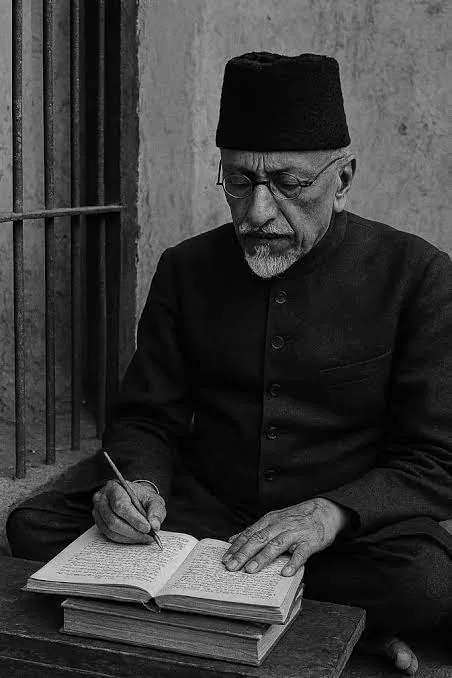
The house he grew up in was a place of texts. His father taught and wrote; students and visitors came; the disciplines of Arabic grammar, Quranic exegesis, jurisprudence, logic and theology were the ordinary furniture of daily life. Azad was educated inside that household rather than at any school — taught by his father and by tutors, in a curriculum that had changed very little for centuries and that was, on its own terms, extremely demanding.
Available accounts describe him completing this course of study while still remarkably young, and beginning to teach others not long after. It is the kind of detail that invites exaggeration, so it is worth stating plainly: what the sources support is that he was a very fast and very serious student in a rigorous tradition, not that any particular legend about him is true.